



- Milan Gaha
Butwal – Lumbini is one of the most important religious, historical, cultural, and tourist destinations in Nepal. It is located in Rupandehi District of Lumbini Province and is internationally famous as the birthplace of Gautama Buddha. Buddha is one of the greatest spiritual teachers in human history, and his teachings of peace, compassion, non-violence, tolerance, and harmony have influenced millions of people around the world. Therefore, Lumbini is not only an important place for Nepal but also a sacred destination for people from many countries.
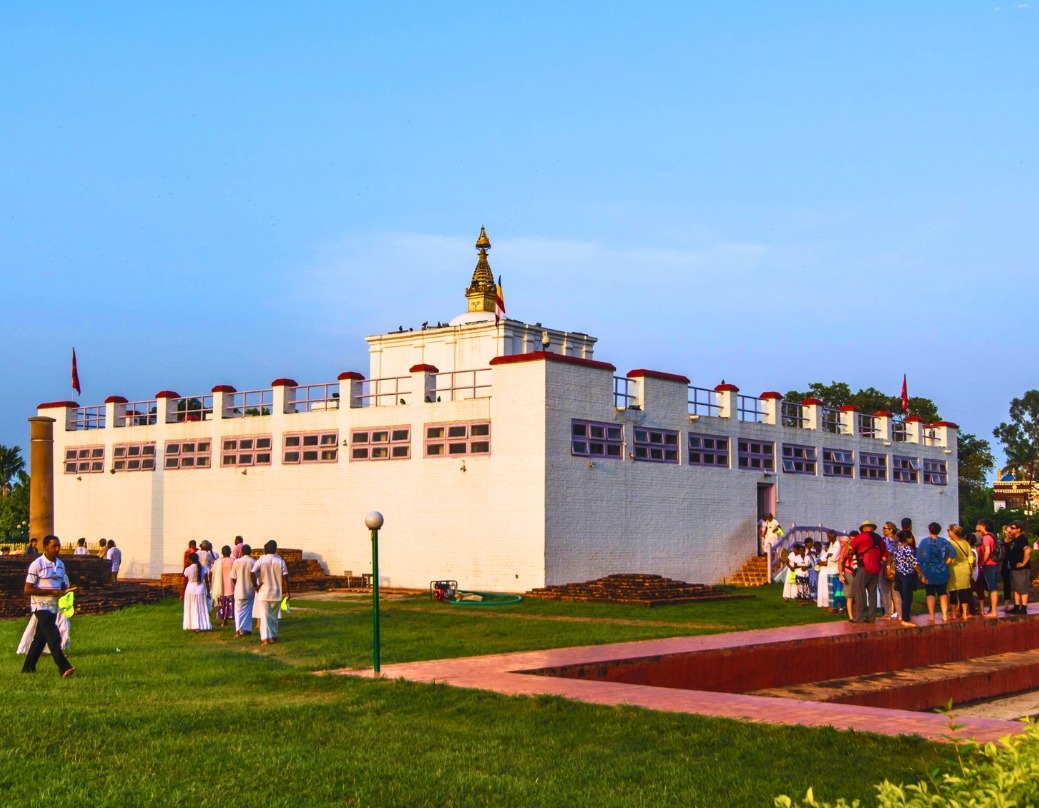
According to Buddhist tradition and historical evidence, Siddhartha Gautama, who later became the Buddha, was born in Lumbini around the sixth century BCE. His mother, Queen Maya Devi, gave birth to him in the beautiful Lumbini Garden. Today, the Maya Devi Temple is the central attraction of the sacred area. The temple marks the traditional birthplace of Buddha and is visited by pilgrims throughout the year. The sacred pond, ancient archaeological remains, and the Ashoka Pillar are other important attractions in the area.
The Ashoka Pillar has special historical importance. The Indian Emperor Ashoka visited Lumbini in the third century BCE and erected a pillar to commemorate Buddha’s birthplace. The inscription on the pillar provides important historical evidence about Lumbini. Because of its outstanding historical, cultural, and religious value, Lumbini was listed as a UNESCO World Heritage Site in 1997. This recognition has further increased its international importance and encouraged efforts to protect and develop the site.
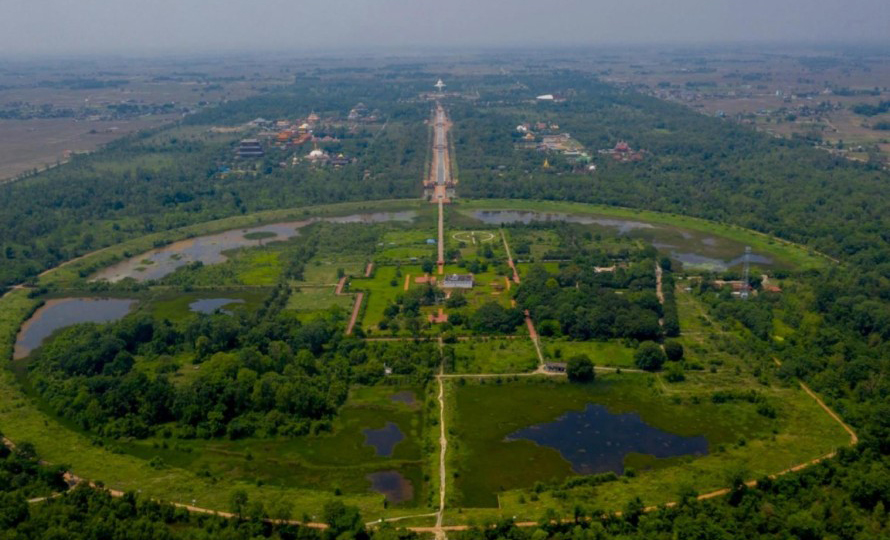
Tourism is one of the major ways through which Lumbini can contribute to Nepal’s economic and social development. Every year, domestic and international visitors travel to Lumbini for religious pilgrimage, sightseeing, meditation, cultural exploration, education, and research. Visitors from Buddhist countries such as Sri Lanka, Thailand, Myanmar, China, Japan, South Korea, Vietnam, and other countries have a special interest in Lumbini. However, people of different religions and backgrounds also visit the site because of its universal message of peace.
One of the most interesting features of Lumbini is the international monastery zone. Different countries have constructed monasteries, temples, meditation centers, and other buildings according to their own architectural traditions. These structures make Lumbini a meeting place of different cultures. Visitors can observe various forms of Buddhist art, architecture, traditions, and religious practices in one area. This cultural diversity makes Lumbini an attractive destination for both religious and cultural tourism.
The development of tourism in Lumbini can create many employment and business opportunities for local people. Hotels, restaurants, transportation services, souvenir shops, handicraft businesses, travel agencies, tourist guides, and other tourism-related activities can provide income to local communities. Farmers and local producers can also benefit by supplying food and other products to hotels and restaurants. If tourism is properly managed, it can improve the living standards of people living around Lumbini.
Infrastructure development is essential for the growth of tourism. Tourists need safe roads, reliable transportation, good accommodation, clean drinking water, electricity, communication services, healthcare facilities, sanitation, and proper tourist information. Improvements in these areas can make the journey to Lumbini more comfortable and enjoyable. The development and effective operation of Gautam Buddha International Airport in Bhairahawa also has the potential to support international tourism by making Lumbini more accessible to visitors from different parts of the world.
Lumbini’s tourism should not be limited to the main sacred garden. Several other historical and religious places in the surrounding region can be connected with Lumbini. Tilaurakot, believed to be associated with the ancient Shakya kingdom and the early life of Siddhartha Gautama, is an important archaeological destination. Devdaha, associated with Queen Maya Devi and the Buddha’s family, and Ramagrama, known for its ancient Buddhist stupa, can also be developed as parts of a broader Buddhist tourism circuit. Such a circuit could encourage tourists to stay longer and explore more places.
Lumbini can also become an international center for education, research, meditation, and peace studies. Universities, research institutions, Buddhist organizations, and scholars from different countries can be encouraged to conduct research and organize conferences in Lumbini. Programs related to Buddhist philosophy, peace, meditation, history, archaeology, and cultural studies can attract students and researchers. This would expand Lumbini’s importance beyond traditional pilgrimage and sightseeing.
Although Lumbini has enormous tourism potential, it also faces several challenges. Poor waste management, environmental pollution, unplanned development, inadequate tourist services, insufficient publicity, and lack of coordination among different organizations can affect tourism. The rapid growth of tourism should not damage the historical and natural character of the area. Lumbini is valued for its peaceful atmosphere, so excessive noise, pollution, overcrowding, and uncontrolled construction should be avoided.
Environmental conservation should therefore be an important part of Lumbini’s development. The sacred garden and surrounding green areas should be protected. Proper waste collection and recycling systems should be introduced, and environmentally friendly transportation should be encouraged. Water resources and archaeological remains must also be carefully preserved. Development should always follow the principle of sustainability so that future generations can enjoy and learn from Lumbini.
Local community participation is equally important. People living around Lumbini should receive opportunities to participate in tourism-related businesses and employment. Training in foreign languages, hospitality, tour guiding, handicrafts, entrepreneurship, and cultural preservation can help local people benefit directly from tourism. When local communities receive economic benefits and understand the value of heritage conservation, they are more likely to protect the area.
Nepal should also promote Lumbini more effectively at the international level. Modern technology and social media can be used to introduce Lumbini to potential visitors around the world. Documentaries, websites, international tourism fairs, cultural programs, and digital campaigns can help increase its visibility. Cooperation with other Buddhist destinations in Nepal and neighboring countries can create international pilgrimage routes and attract more visitors.
In conclusion, Lumbini is a priceless heritage of Nepal and a shared heritage of humanity. Its connection with Gautama Buddha gives it enormous religious and historical importance, while its monasteries, archaeological sites, cultural diversity, and peaceful environment make it a major tourist destination. Proper infrastructure, effective promotion, environmental protection, heritage conservation, and local community participation are essential for its sustainable development. If these areas receive proper attention, Lumbini can become one of the world’s leading destinations for religious, cultural, educational, and peace tourism. The development of Lumbini will not only create economic opportunities for Nepal but also help spread the timeless message of peace, compassion, and harmony to people around the world.